Health Insurance

Mukhyamantri Jeevan Raksha Kosh Sikkim: Cover & Eligibility

Ann Tresa Jais

Written by Ann Tresa Jais

Insurance Writer

Gaurav Bhat

Reviewed by Gaurav Bhat

IRDAI-Certified Expert at Ditto

SP0738578124

Certified
Mukhyamantri Jeevan Raksha Kosh Sikkim: Cover & Eligibility

Overview

Mukhyamantri Jeevan Raksha Kosh (MMJRK) is a Sikkim government scheme that assists patients referred outside the state. Under amended rules, it became Mukhya Mantri Swasthya Suvidha Yojana (MMSSY).

Key Details

  • Financial Help: Above Poverty Line (APL) patients can receive up to ₹2 lakh, while Below Poverty Line (BPL) patients can receive up to ₹3 lakh. Temporary government employees receive up to ₹2.5 lakh.
  • Sikkim State Illness Assistance Fund (SSIAF): BPL patients receiving ₹1.5 lakh under SSIAF can receive another ₹1.5 lakh under MMJRK.
  • Target Group: Covers eligible Sikkimese patients and temporary government employees.
  • Empaneled Hospitals: Treatment is available through empaneled hospitals, subject to rates.
  • Other Assistance: MMSSY includes the Mukhya Mantri Shrawan Shakti Samridhi Yojana, providing hearing aids worth up to ₹8,000 as a one-time aid.

How to Apply?

  • Department: Health & Family Welfare Department, Sikkim government.
  • Documents Needed: Sikkim identity, referral, and supporting documents.

A serious illness can force families in Sikkim to travel outside the state for specialized treatment. This is where the Mukhyamantri Jeevan Raksha Kosh Sikkim scheme can provide financial support to eligible patients, yet not everyone knows who qualifies or how the scheme works.

The scheme is designed to support eligible patients who need specialized medical treatment outside Sikkim following a referral by the State Medical Board. 

This guide explains the scheme, including eligibility, benefits, referral requirements, empaneled hospitals, and how it works alongside Ayushman Bharat Pradhan Mantri Jan Arogya Yojana (AB-PMJAY) and private health insurance.

What Is the Mukhyamantri Jeevan Raksha Kosh Sikkim Scheme?

The Mukhyamantri Jeevan Raksha Kosh (MMJRK) is a Government of Sikkim scheme that provides financial assistance to eligible patients referred outside the state for specialized treatment by the State Medical Board.

The scheme was established under the Mukhya Mantri Jeevan Raksha Kosh Rules, 2015. Under the original rules, Above Poverty Line (APL) patients were eligible for financial assistance of up to ₹2 lakh, while Below Poverty Line (BPL) patients could receive up to ₹3 lakh. 

What Changed Under the 2022 MMJRK Amendment?

The 2022 amendment made certain key changes to the scheme:

ChangeDetails Under the 2022 Amendment
Scheme Name Replaced “Mukhya Mantri Jeevan Raksha Kosh” with “Mukhya Mantri Swasthya Suvidha Yojana” in the amended rules.
Eligibility Included certain temporary government employees, such as MR, ad hoc, contractual, and probationary employees.

Important

You may still find older information online saying MMJRK excludes all government employees. That is not fully accurate after the 2022 amendment. The amendment specifically brought certain temporary government employees into the scheme. Regular government servants and their dependents remain excluded. 

Eligibility Criteria for Mukhyamantri Jeevan Raksha Kosh in Sikkim

MMJRK is not available simply because you are a resident of Sikkim. To receive financial assistance, you must meet the scheme's eligibility conditions.

Under the MMJRK rules, eligible patients must meet the following conditions:

    • The patient must be referred by the State Medical Board for treatment.
    • The patient must hold a valid Sikkim Subject Certificate (SSC) or Certificate of Identification (COI) or be a BPL patient whose name is included in the BPL list maintained by the Department of Economics, Statistics, Monitoring and Evaluation (DESME), Government of Sikkim.
    • Patients below 20 years must submit their birth certificate along with their father's SSC or COI. 
    • A woman married to an SSC or COI holder must obtain a COI within two years of marriage and submit a valid marriage certificate. 

Benefits, Coverage, and Treatments Covered Under MMJRK

BenefitsDetails
Financial Assistance for APL Patients Eligible APL patients can receive financial assistance of up to ₹2 lakh, subject to the applicable conditions and limits. 
Financial Assistance for BPL Patients BPL patients can receive up to ₹3 lakh under MMJRK. Those who have already received ₹1.5 lakh under Sikkim State Illness Assistance Fund (SSIAF) can avail a further ₹1.5 lakh under MMJRK. 
Assistance for Temporary Government Employees Following the 2022 amendment, eligible temporary government employees, including MR, ad hoc, contractual, and probationary employees, can receive assistance of up to ₹2.5 lakh. 
Cashless Treatment Eligible patients can receive cashless treatment, with the Health Department making payment to the hospital, subject to the applicable scheme conditions. 
Travel and Miscellaneous Expense Advance Referred APL patients from low socioeconomic backgrounds can receive ₹5,000, while BPL patients can receive ₹10,000 as a one-time advance. 
Room Rent Patients are generally entitled to a general or economy ward. If unavailable, a private room may be allowed up to ₹1,000 per day or the actual room rate, whichever is lower. 
Emergency Treatment Life-threatening emergencies may be treated without prior approval. Assistance is limited to 75% of the cost or ₹1.5 lakh, whichever is lower. Claims must be filed within six months  
Treatment Above the Limit Expenses exceeding the sanctioned financial assistance are borne by the patient or their family. 

Important Note

Follow-up treatment is allowed only if a balance remains from the previously sanctioned amount and is generally limited to the first follow-up, except for cancer and other complicated cases. A patient referred by the State Medical Board for a different illness may receive fresh assistance, subject to the availability of funds. 

What Is Not Covered Under MMJRK?

The scheme does not cover every medical expense. The rules specifically exclude certain treatments and items, including:

    • Fertility treatment.
    • Dental implants.
    • Cosmetic or dental procedures and surgery.
    • Products manufactured or marketed as food supplements.
    • Orthopedic items such as special mattresses, wheelchairs, crutches, braces, and similar aids.

Talk to an expert
today and find
the right
insurance for you.

Ditto Advisor

How MMJRK Works Alongside Ayushman Bharat PM-JAY in Sikkim

Sikkim launched AB-PMJAY in alliance with MMJRK in 2018. AB-PMJAY provides eligible beneficiaries with health coverage of up to ₹5 lakh per family per year for secondary and tertiary hospitalization.

MMJRK and AB-PMJAY continue to operate under separate rules and eligibility criteria. MMJRK is governed by the Government of Sikkim's scheme provisions, while AB-PMJAY eligibility is determined under the national scheme.

How to Apply for Mukhyamantri Jeevan Raksha Kosh and Documents Required 

How to Apply for MMJRK?

    • Obtain a Referral: Get a Referral Certificate from the State Medical Board of STNM Hospital for the required treatment.
    • Prepare the Required Documents: Keep an attested copy of your Sikkim Subject Certificate or Certificate of Identification ready.
    • Submit the Documents: Provide the required documents to avail the facility under the scheme.

Documents Required

    • Referral Certificate: Issued by the State Medical Board of STNM Hospital.
    • Sikkim Subject Certificate (SSC) or Certificate of Identification (COI): An attested copy issued by the competent authority.

Empaneled Hospitals in Sikkim Under Mukhyamantri Jeevan Raksha Kosh

The Mukhyamantri Jeevan Raksha Kosh (MMJRK) provides cashless treatment through empaneled hospitals that offer treatment at applicable Central Government Health Scheme (CGHS) or West Bengal Health Scheme (WBHS) rates. The scheme also permits reimbursement for treatment at certain specified institutions, other empaneled hospitals without cashless facilities, or government hospitals, subject to prior approval and sanction.

The empaneled hospital network includes hospitals in Sikkim and outside the state, including locations such as Siliguri, Kolkata, Delhi, Vellore, and Mumbai. Since the hospital network can change, beneficiaries should check the official MMJRK scheme page for the current list before planning treatment.

The scheme's treatment limit is based on the applicable CGHS or WBHS rates, irrespective of where the treatment is received.

Background Image

Mukhyamantri Jeevan Raksha Kosh vs. Private Health Insurance: Do You Still Need Cover?

01

Broader Coverage

Private health insurance can cover benefits such as outpatient department, maternity, annual health checkups, and consumables, depending on the policy.

02

Choice of Room

MMJRK generally covers a general or economy ward, while private policies may offer greater room flexibility.

03

Extra Coverage Features

Private policies may include restoration and cumulative bonuses, increasing the available coverage over time.

04

Hospital Network

Private insurance can provide access to a wider network of hospitals across India, including private hospitals.

05

Treatment Choice

Private insurance can offer greater flexibility in choosing hospitals and accessing private healthcare.

06

Additional Financial Protection

A separate private policy can help cover eligible expenses when MMJRK assistance is insufficient.

Therefore, private health insurance can complement MMJRK rather than replace it, providing broader coverage and additional financial protection.

Why Choose Ditto for Health Insurance?

At Ditto, we’ve assisted over 12,00,000 customers choose the right insurance policy. Why customers like Pallavi love us:
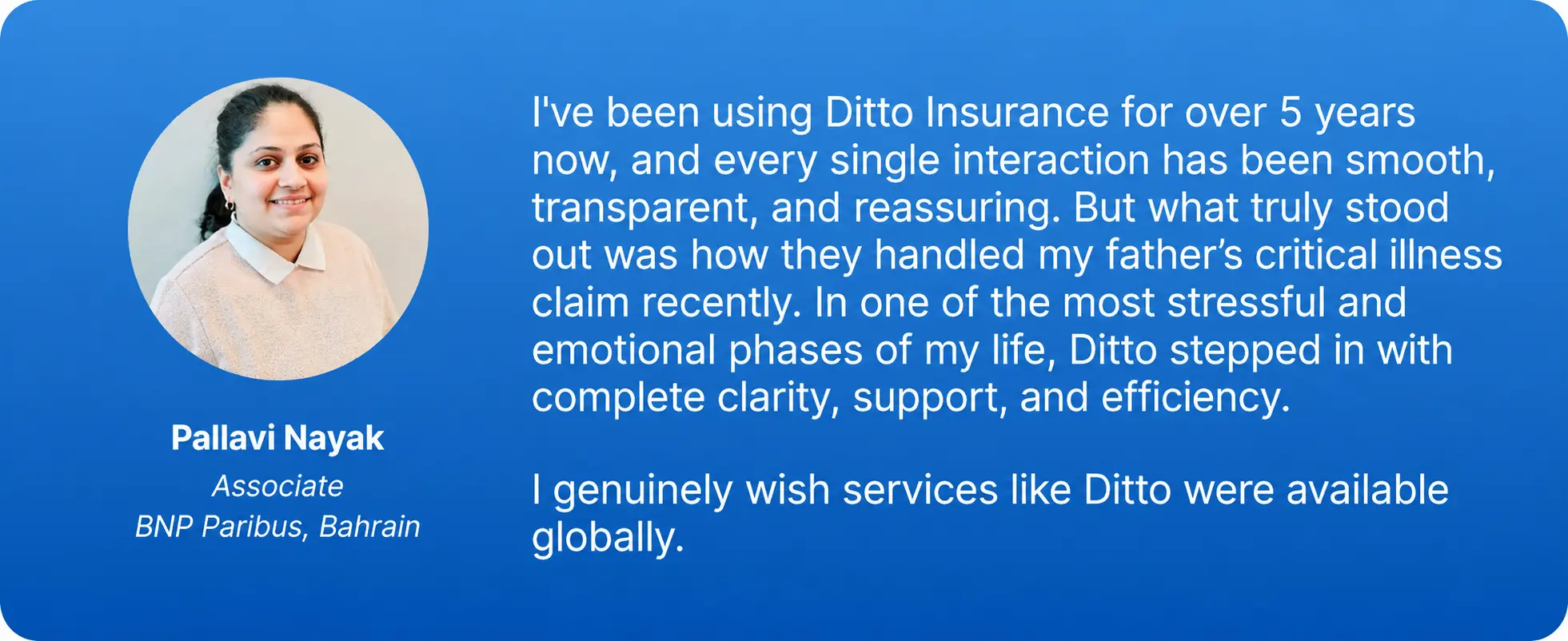
Pallavi Nayak LinkedIn Customer Testimonial
    • 100% Free Consultation
    • No Spam. No Sales Pressure.
    • Rated 4.9/5 on Google Reviews by 30,000+ Happy Customers
    • Backed by Zerodha
    • Dedicated Claim Support Team
    • Compare Plans and Premiums with a Trusted Insurance Advisor

Confused about the right insurance? Speak to Ditto’s certified advisors for free, unbiased guidance. Book your call now or chat with us on WhatsApp. Slots fill up fast!

Conclusion

The Mukhyamantri Jeevan Raksha Kosh Sikkim scheme provides valuable financial assistance to eligible Sikkimese patients referred outside the state for specialized treatment. However, beneficiaries should understand the scheme's eligibility requirements, financial assistance limits, referral process, empaneled hospital network, and applicable treatment rates before relying on it for planned treatment.

If you want additional financial protection, greater flexibility in choosing hospitals, or coverage beyond what MMJRK provides, it is worth comparing some of the best health insurance plans in India to find a policy that complements the government scheme and fits your healthcare needs.

Frequently Asked Questions

Is Mukhyamantri Jeevan Raksha Kosh Sikkim still active, and what does it cover?

Yes. Following the 2022 amendment, the scheme continues under the Mukhya Mantri Swasthya Suvidha Yojana (MMSSY). Under the amended provisions, eligible Above Poverty Line patients can receive up to ₹2 lakh, Below Poverty Line patients up to ₹3 lakh, and eligible temporary government employees up to ₹2.5 lakh in financial assistance. 

Do I need an Ayushman card to use Mukhyamantri Jeevan Raksha Kosh in Sikkim?

No. An Ayushman card is not listed as an eligibility requirement for MMJRK. The scheme has its own eligibility conditions, including the required Sikkim documentation and referral through the State Medical Board. AB-PMJAY and MMJRK operate under separate eligibility rules, so having or not having an Ayushman card does not itself determine MMJRK eligibility.

Can I use Mukhyamantri Jeevan Raksha Kosh at Central Referral Hospital in Gangtok?

Yes. Central Referral Hospital, Tadong, is included in the Government of Sikkim's published list of MMJRK empaneled hospitals. Treatment remains subject to the scheme's eligibility conditions, applicable rates, and other requirements. Beneficiaries should confirm the hospital's current empanelment and the specific treatment's eligibility with the Health & Family Welfare Department before proceeding.

Does Mukhyamantri Jeevan Raksha Kosh cover treatment at hospitals outside Sikkim?

Yes. MMJRK specifically supports eligible patients referred for specialized treatment outside Sikkim. The government's empaneled network includes hospitals in Delhi, Kolkata, Siliguri, Vellore, and Mumbai. The scheme also permits reimbursement in specified circumstances when treatment is taken at certain non-cashless empaneled hospitals or government hospitals, subject to prior approval and sanction.

Who is the district nodal officer to contact for an MMJRK claim in Sikkim?

The Government of Sikkim does not currently publish a district-specific MMJRK nodal officer on its official scheme page. For claim-related assistance, beneficiaries can contact the Health & Family Welfare Department at 03592-202633 or [email protected].

Are private hospitals in Sikkim empaneled under Mukhyamantri Jeevan Raksha Kosh?

Yes. Private hospitals can be empaneled under MMJRK. The scheme's empaneled hospital list includes Central Referral Hospital, Tadong, in Sikkim, as well as several private hospitals outside the state, such as Apollo Gleneagles Hospital in Kolkata, Medanta in Gurgaon, and Christian Medical College in Vellore. Beneficiaries should check the current list of empaneled hospitals before seeking treatment, as the network is subject to change.

Does Mukhyamantri Jeevan Raksha Kosh cover Out-Patient Department (OPD) consultations and medicines?

MMJRK is structured primarily around financial assistance for eligible medical treatment and hospitalization, rather than routine OPD consultations. The scheme rules also specify exclusions and conditions governing covered expenses. Therefore, beneficiaries should not assume that standalone OPD consultations or medicines purchased outside an approved treatment are covered. Coverage depends on the sanctioned treatment and applicable scheme rules.

Last updated on: